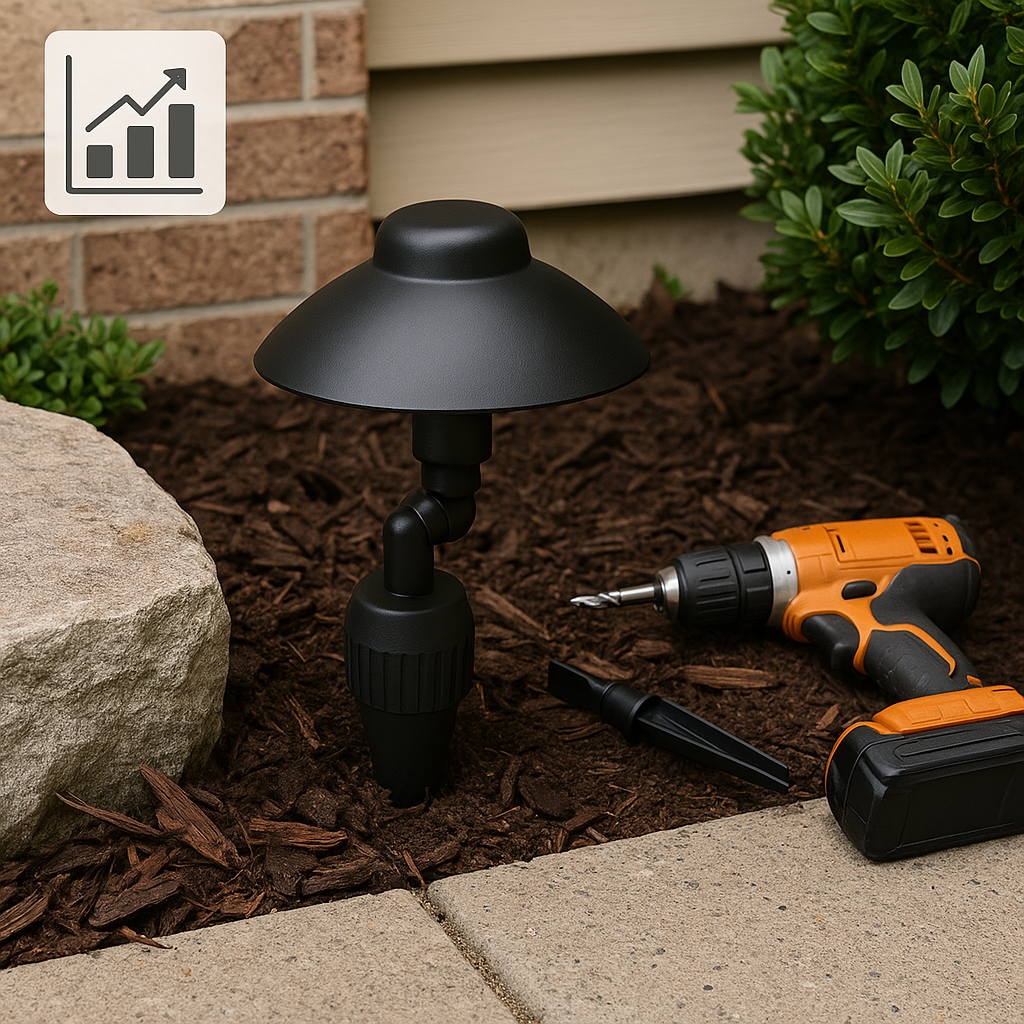
Picture this: You get home after dark, fumbling for your keys on a shadowy porch. The walkway is barely visible, and the yard feels unwelcoming. Even a well-maintained home can seem unsafe and uninspired without the right outdoor lighting. Many people try to solve it with a few solar garden stakes – only to end up with patchy light and constant battery changes. The difference with a professional outdoor lighting installation near me? You get a property that looks better, feels safer, and works the way you want – night after night.
Why Invest in Professional Outdoor Lighting Installation?
Professional outdoor lighting does more than make your house visible from the street. It extends your living space, creates ambience, and boosts security.
Safety first: Well-placed lights along paths, driveways, and entrances help prevent trips and falls. Motion-activated fixtures can discourage intruders or keep wildlife at bay.
Curb appeal: Good lighting highlights landscaping, architecture, and unique features. Even a modest home can gain dramatic flair with the right setup.
Longer evenings outdoors: With proper lighting, patios and gardens become inviting for dinners or gatherings – even after sunset.
Common Types of Outdoor Lighting
– Pathway lights: Guide guests safely along walkways or driveways.
– Landscape lighting: Illuminate gardens, trees, or water features.
– Security lighting: Brighten up dark corners, gates, or alleys.
– Accent lighting: Draw attention to sculptures, facades, or special plantings.
What to Look for in a Local Outdoor Lighting Installer
Choosing the right team is just as important as picking the fixtures themselves. Start with the basics.
Licensing, Insurance, and Experience
A reputable installer should be licensed and insured – always. Ask how long they’ve been in business and about their experience with homes or landscapes similar to yours.
Portfolio and References
Look at photos of their completed projects. Do their previous jobs match your style? Ask for references; a quick call or email can reveal how communicative and reliable they are.
Local Knowledge
Outdoor lighting needs to withstand local weather – think freezing winters or heavy rains. An experienced installer will know which fixtures hold up best in your area. They’ll also be familiar with city bylaws (like light pollution rules) and any necessary permits.
The Outdoor Lighting Installation Process: Step by Step
Professional outdoor lighting installation involves more than plugging in a few lights. Here’s what typically happens.
1. Initial Site Assessment and Design Consultation
It starts with a walk-through of your property. The installer listens to your goals – maybe safety for kids, an entertaining space, or highlighting a garden bed.
2. Fixture Selection and Placement Planning
Once priorities are clear, you’ll review fixture options (from classic lanterns to sleek modern LEDs). Placement is mapped out for maximum effect – sometimes using temporary demo lights so you can see ideas in action.
3. Installation, Wiring, and Safety Checks
On installation day, the team carefully trenches wires (or uses wireless options where possible), mounts fixtures, and connects everything to your home’s electrical system. Safety checks are done before anything goes live.
4. Post-Installation Walkthrough and Adjustments
After dark, you’ll do a walkthrough with your installer. They’ll tweak aim angles or brightness right then and there to make sure everything feels just right.
Types of Outdoor Lighting Solutions
A good design often blends several types for both beauty and practicality.
Landscape Lighting
Picture garden beds softly lit from below, or uplights showing off mature trees. Water features can glow with underwater LEDs. Architectural elements – columns, arches, stonework – can be gently illuminated to create depth.
Security and Safety Lighting
Motion sensor lights near driveways discourage trespassers. Entryway sconces help guests find their footing. Step lights keep stairs safe without harsh glare.
Energy-Efficient Options
Modern outdoor lighting leans into LEDs for low energy use and long life. Solar-powered fixtures work well in sunny spots (though reliability drops in shaded yards). Timers and smart controls let you set schedules or control lights from your phone – saving energy and hassle.
Cost Factors and Value Considerations
Outdoor lighting costs depend on your choices – there’s no universal answer. Here’s what shapes the price:
– Materials: Brass and copper fixtures last longer but cost more than plastic or aluminum.
– Complexity: More zones, custom wiring routes, or tricky terrain add labour time.
– Property size: Bigger yards mean more lights – and more wire.
Energy-efficient options, like LED systems, may cost more up front but save money over time on electricity and bulb replacements.
Warranty and maintenance plans: Look for installers who stand behind their work with clear warranties and optional maintenance packages – so you’re not left troubleshooting alone if something goes wrong next season.
How to Prepare for Your Outdoor Lighting Project
A little preparation smooths the process and helps you get the results you want.
Questions to Ask Potential Installers
– Are you licensed and insured?
– Can I see examples of similar projects?
– Will this design suit my property and my personal style?
– What maintenance or warranty support is included?
Site Prep Tips for Homeowners
Clear clutter from walkways and beds where lights will go. Mark underground sprinklers or utility lines if possible. If pets have free run of the yard, let your installer know – so gates stay closed during work.
What to Expect on Installation Day
Expect some noise and foot traffic as trenches are dug or wires are run. Good crews clean up thoroughly – leaving your yard as tidy as they found it.
Mini-Case: Upgrading a Family Home’s Outdoor Lighting
A family in a suburban neighbourhood struggled with a dark, uninviting front walkway and poorly lit backyard. After several stumbles in the dark – and missed chances for evening barbecues – they decided it was time for an upgrade.
They consulted a local outdoor lighting professional, discussed their goals, and reviewed a custom lighting plan that included pathway LEDs and subtle accent lights for the garden. The installation transformed their evening curb appeal, improved safety, and made outdoor gatherings more enjoyable. Neighbours even commented on how welcoming the house looked at night – a small change with a big impact.
Field Note: The Hidden Challenge of Wiring in Older Properties
Older homes often hide surprises beneath the soil – outdated wiring routes, shallowly buried pipes, or even forgotten concrete pads. Installing new outdoor lighting in these settings can require extra troubleshooting or creative routing to safely install new fixtures without damaging landscaping. Experienced installers come prepared with flexible plans (and sometimes a bit of detective work) to adapt on the fly – ensuring safety without compromising aesthetics.
FAQs: Outdoor Lighting Installation Near Me
Q: How long does professional outdoor lighting installation take?
A: Most residential projects are completed in one to two days, depending on complexity and weather.
Q: Do I need permits for outdoor lighting installation?
A: Some municipalities require permits, especially for new wiring. A reputable installer will know local requirements.
Q: Can I combine different types of outdoor lighting in one project?
A: Yes, designers often blend pathway, accent, and security lighting for a cohesive look and improved function.
Q: What kind of maintenance do outdoor lighting systems need?
A: Occasional cleaning of lenses, checking connections after storms, and replacing bulbs (for non-LED systems) keeps everything working well.
Q: How do I know if an installer is right for my project?
A: Look for licensing, insurance, relevant experience, clear communication, and a portfolio that matches your vision. Don’t hesitate to ask for references or details about warranty support.
Table of Contents Why Choose Professional Outdoor Christmas Lights Installation? Planning Your Holiday Lighting Display What to Expect from a Professional Installation Service Safety and Efficiency: Key Considerations Cost Factors and Value Mini-Case: Transforming a Toronto Home for the Holidays Field Note: A Common Installation Pitfall Questions to Ask Before Booking Outdoor Christmas Lights Installation FAQ: Outdoor Christmas Lights Installation The first snow falls, and suddenly the neighborhood glows - except your house. Maybe the…