
Increase Property Value and Curb Appeal
Enhance and protect your wooden features with our expert staining services! We bring out the natural beauty of your decks and fences while sealing them against weather and element wear.
Smooth Finish
Once the wood is dry we sand all of the surfaces to ensure a smooth finish/feel. This process will not only make the wood gentle to the touch but, will also let the stain penetrate deeper into the pores. Consequently guaranteeing life time expansion and a better visual result.
Application
All lumber, whether pressure treated or not requires 48 hours to dry . Oil and water do not mix and the same applies to wood staining. The HNC staining process is extremely thorough hence this step will never be rushed, as it is the MOST Important in achieving pro results.
No Peeling Solution
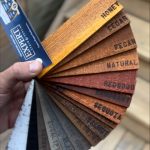
We use top of the line products only : Expert Stain & Seal. It is a fully oil based stain that gets absorbed deep within the wood as apposed to a water-based stain / paint that stays on the surface. Water based paint tends to peel quickly and actually chokes the wood by clogging it’s pores. However Oil absorbs and leaves the pores unclogged letting the wood breath and extending it’s life span.
Our Oil Based Stain will ultimately help protect your wood from mold / rotting. Furthermore it will give your home a bright new look while increasing property value.
Pressure Washing House Toronto
Thinking about tackling pressure washing your house in Toronto? Whether you're looking to refresh your home's exterior before a special event or simply maintain your property's curb appeal, pressure washing can transform how your home looks. But where do you start? This guide walks you through each step of the process, from preparation to finishing touches, so you can confidently clean your siding, driveway, patio, and deck.
By following these steps, you'll understand what's involved in the pressure washing process, learn safety essentials, and discover when it makes sense to call in professional help. Many busy homeowners across the Greater Toronto Area-from Toronto and The Beaches to Etobicoke, North York, Scarborough, Mississauga, Richmond Hill, Vaughan, and beyond-find that knowing these fundamentals helps them decide whether to DIY or partner with experienced local contractors.
Step 1: Assess Your Home and Gather Equipment
Before you begin pressure washing your house in Toronto, take a walk around your property and honestly evaluate what you're working with. Look at your siding material-is it vinyl, brick, wood, or stucco? Different surfaces require different pressure levels, and using too much force can damage your home. Check for loose paint, cracks, or areas where water might seep into windows, doors, or gaps. Also note the location of outdoor electrical outlets, light fixtures, and air conditioning units that you'll need to protect.
Next, gather the equipment you'll need. A pressure washer typically ranges from 1,500 to 4,000 PSI (pounds per square inch) for residential use-lower pressures for delicate surfaces, higher for concrete. You'll also want a garden hose, biodegradable cleaning detergent designed for pressure washers, safety glasses, work gloves, and closed-toe shoes. If you don't own equipment, renting from a local hardware store in your area is an affordable option, and staff can help you select the right machine for your specific surfaces.
Step 2: Prepare Your Property and Protect Vulnerable Areas
This step is critical and often overlooked by first-timers. Start by closing all windows and doors to prevent water from entering your home. Move outdoor furniture, planters, and decorative items away from the areas you'll be cleaning. If you have delicate plants or landscaping near your home's foundation, consider covering them with tarps or moving them temporarily-high-pressure water can damage foliage.
Pay special attention to electrical outlets, light fixtures, and any outdoor electronics. Cover these with plastic bags secured with tape. If you have basement windows or window wells, take extra precautions here since water can easily pool and enter below-grade areas. For homeowners in neighborhoods like The Beaches or Etobicoke with older homes, inspect caulking around windows and doors first-applying fresh caulk before pressure washing can prevent water intrusion. Finally, wear safety glasses and gloves throughout the process; pressure washing creates forceful water jets that can cause injury if they contact skin directly.
Step 3: Start with Lower Pressure and Test on an Inconspicuous Area
Once your equipment is set up, resist the urge to immediately blast your entire home at full power. Instead, start with a lower PSI setting and test on a small, hidden area-perhaps the back corner of your garage or a section of driveway that's less visible. This test run shows you how your specific surfaces react and helps you find the right pressure sweet spot. You're looking for effective dirt removal without etching, discoloration, or damage.
Hold the nozzle at a 45-degree angle and maintain consistent distance from the surface, typically 12 to 24 inches depending on pressure level. Move smoothly and steadily rather than lingering in one spot. Once you're confident with your settings, work from the top of your home downward, which allows dirty water and detergent to flow naturally down the walls. For siding, use lower pressure; for concrete driveways, you can increase pressure as needed. Many homeowners in North York, Vaughan, Richmond Hill, and surrounding areas find that this methodical approach saves time and prevents costly mistakes.
Step 4: Clean in Sections and Finish Properly
Divide your home into manageable sections and work through them systematically. Start at the top-roof edges and upper walls-and work downward toward the foundation and driveway. If you're using detergent, apply it first and let it sit for 10 to 15 minutes to break down grime, then rinse thoroughly. This two-step approach is more effective than pressure alone and uses less water overall. Work in overlapping strokes to ensure even coverage and avoid visible lines or streaks.
As you finish each section, do a final rinse with clean water to remove any soap residue. Pay special attention to areas where water pools or runs-gutters, downspouts, and foundation areas-to ensure complete drainage. Once you've completed the pressure washing, allow surfaces to dry completely before assessing your work. You'll often be amazed at how much cleaner your home looks. If you notice areas you missed or damage to surfaces, you'll have time to address them or adjust your approach for future maintenance. Many homeowners across the GTA, from Scarborough to Mississauga and beyond, find that regular pressure washing keeps their homes looking fresh and well-maintained throughout the year.
When to Call in Professional Help
Pressure washing your house in Toronto can be satisfying, but it's not for everyone. If your home has delicate materials like stucco or historic siding, if you're uncomfortable with heights or working with equipment, or if you simply value your time, professional help is worth considering. Experienced contractors have industrial-grade equipment, proper insurance, and the expertise to handle challenging situations safely.
Whether you choose to handle pressure washing yourself or partner with a trusted local service provider, the key is maintaining your home's exterior regularly. Consistent cleaning prevents buildup, extends the life of your siding and surfaces, and keeps your home's curb appeal high for years to come.
Frequently Asked Questions
Can I pressure wash vinyl siding safely?
Yes, you can pressure wash vinyl siding, but use caution-aim for 1,500 to 2,000 PSI maximum and keep the nozzle at least 12 inches away from the surface. Avoid pointing the nozzle upward where water could seep behind the siding. Always test on a hidden area first to confirm the pressure won't cause damage or discoloration.
How often should I pressure wash my home in Toronto?
Most homes benefit from pressure washing once per year, typically in spring or fall. Homes in areas with heavy pollen, shade, or moisture may need it twice yearly. If your driveway sees heavy traffic or your roof collects debris, those areas might need more frequent attention.
Is it safe to pressure wash near electrical outlets and fixtures?
You should never spray electrical outlets, light fixtures, or outdoor electrical equipment directly with a pressure washer. Cover these areas with plastic bags before you start, and maintain a safe distance if you're cleaning nearby walls. When in doubt, keep the water spray pointed away from anything electrical.
What's the difference between pressure washing and soft washing?
Pressure washing uses high-pressure water jets for hard surfaces like concrete and driveways, while soft washing combines lower pressure with cleaning solutions and is gentler on delicate surfaces like siding, roofs, and wood. Soft washing is often better for your home's exterior materials and prevents damage.
Do I need permits to pressure wash my house in Toronto?
Generally, you don't need permits for residential pressure washing on your own property. However, check with your local municipality if you're in a heritage conservation district or a condo building with specific exterior guidelines. Some areas have water conservation regulations during drought conditions, so it's smart to verify local rules.
Claim Your 10% Discount & Get An Estimate
Fill out the form, or call us to find out how HNC Home Services can take your home exterior to the next level.
Service Areas:
Toronto, Beaches, Fallingbrook, Upper Beaches, Danforth, Scarborough Bluffs, Rosedale, Cliff Cres, Scarborough Village, Guild Park, Old East York, Oakridge, Woodbine Gardens, Danforth, Leslieville, East York, Riverdale, Broadview North, Greektown, Birchmount, Woodbine Heights, East Danforth, Beach Hill, Birch Cliff, Clairlea and all of the GTA.
We’re fully mobile!
info@hnchomeservices.ca
(647) 829-5995