

Increase Property Value and Curb Appeal
Enhance and protect your wooden features with our expert staining services! We bring out the natural beauty of your decks and fences while sealing them against weather and element wear.
Smooth Finish
Once the wood is dry we sand all of the surfaces to ensure a smooth finish/feel. This process will not only make the wood gentle to the touch but, will also let the stain penetrate deeper into the pores. Consequently guaranteeing life time expansion and a better visual result.
Application
All lumber, whether pressure treated or not requires 48 hours to dry . Oil and water do not mix and the same applies to wood staining. The HNC staining process is extremely thorough hence this step will never be rushed, as it is the MOST Important in achieving pro results.
No Peeling Solution
We use top of the line products only : Expert Stain & Seal. It is a fully oil based stain that gets absorbed deep within the wood as apposed to a water-based stain / paint that stays on the surface. Water based paint tends to peel quickly and actually chokes the wood by clogging it’s pores. However Oil absorbs and leaves the pores unclogged letting the wood breath and extending it’s life span.
Our Oil Based Stain will ultimately help protect your wood from mold / rotting. Furthermore it will give your home a bright new look while increasing property value.
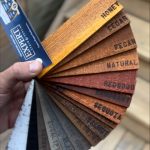
Deck And Fence Staining Beaches
With years of experience in exterior home services across the Greater Toronto Area, including Beaches, North York, Scarborough, Mississauga, and surrounding communities, we understand that deck and fence staining can seem intimidating to homeowners. Yet this essential maintenance task protects your investment and dramatically enhances your home's curb appeal. This guide walks you through the professional process we use at hnchomeservices.ca to deliver stunning, long-lasting results. By following these steps, you'll understand exactly what goes into proper deck and fence staining in Beaches and why professional expertise matters.
1. Assess Your Deck and Fence Condition
Before purchasing materials, examine your wood carefully for damage, rot, or existing stain condition. Walk the entire perimeter of your property, pressing firmly on posts, boards, and railings with a screwdriver. Soft spots indicate rot that must be addressed before staining. Check whether your deck and fence staining project involves bare wood or existing stain that requires stripping. This assessment determines whether you need basic cleaning or more involved preparation work.
Take note of sun exposure patterns across your deck and fence. South-facing surfaces in Beaches properties experience more UV damage and weather stress, affecting both preparation intensity and product selection. Document any areas with mold, mildew, or algae growth. Understanding your wood's current state prevents costly mistakes and ensures the new stain adheres properly for maximum durability.
2. Clean Wood Thoroughly
Professional deck and fence staining begins with thorough cleaning. Use a pressure washer set to 1500-2000 PSI maximum to avoid wood damage. Start from the top of your fence and work downward, maintaining consistent distance and angle to prevent gouging. For deck boards, follow the wood grain direction. Avoid concentrating pressure on a single spot, as this creates permanent damage that undermines your project's final appearance.
After pressure washing, allow wood to dry completely, typically 48-72 hours depending on weather and humidity. This drying period is crucial because stain won't adhere properly to damp wood. Once dry, sand any rough areas lightly with 80-120 grit sandpaper. This smoothing step ensures the stain penetrates evenly and the final finish feels professional rather than rough to the touch.
3. Repair Damaged Wood
Address any rot, cracks, or splits discovered during your initial assessment. For minor damage, use exterior-grade wood filler appropriate for your wood species. For significant rot affecting structural integrity, replacement boards are necessary. This isn't the stage to cut corners; compromised wood won't support the stain's protective benefits and weakens the entire structure.
Apply wood filler according to manufacturer instructions, then sand flush once cured. For deck and fence staining projects in Beaches homes where salt spray and moisture are factors, ensuring sound wood structure is essential. A weakened fence or deck can become a liability and safety concern far faster than the minor repair expense.
4. Select Appropriate Stain
Choose between oil-based and water-based stain formulas. Oil-based stains penetrate deeply and offer richer color, but take longer to dry and emit stronger odors. Water-based stains dry faster, are environmentally friendlier, and emit fewer fumes, making them increasingly popular for residential work in the GTA. Consider your wood type, climate exposure, and color preference when deciding.
For Beaches and surrounding areas experiencing variable weather and salt exposure, semi-transparent stains offer optimal balance between protection and natural wood appearance. Solid stains provide maximum coverage but hide wood grain. Test your chosen stain on a hidden area first to ensure you're satisfied with the color and finish before committing to your entire deck and fence staining project.
A properly stained deck or fence typically lasts 2-3 years before requiring reapplication, while poorly prepared wood may need restaining annually. Preparation quality directly determines how long your investment lasts.
5. Apply Stain in Optimal Conditions
Plan your deck and fence staining application for dry days with temperatures between 50-85 degrees Fahrenheit. Avoid direct sunlight and rain for at least 24-48 hours after application. Use brushes or sprayers appropriate for your stain type, following the manufacturer's coverage rates and application instructions. Apply thin, even coats rather than one thick coat to prevent dripping, lap marks, or uneven color.
Work systematically from one area to the next, maintaining a wet edge to blend applications seamlessly. For vertical fence boards, work top to bottom. For horizontal deck boards, follow the wood grain. Most stains require two coats for optimal color depth and protection. Allow full drying time between coats as specified on the product label.
6. Maintain Your Freshly Stained Surfaces
After stain cures completely, establish a maintenance schedule to extend the life of your work. Clear debris and leaves regularly, as decomposing organic matter traps moisture against the wood. Sweep or lightly pressure wash annually to remove algae and mold. Monitor for standing water or drainage issues that could compromise your stain's effectiveness.
Most homeowners find that professional deck and fence staining in Beaches properties requires reapplication every 2-3 years depending on weather exposure and maintenance. Whether you handle maintenance yourself or partner with services like hnchomeservices.ca, consistent care ensures your deck and fence remain beautiful and protected. At our company serving Toronto, Etobicoke, North York, Vaughan, Richmond Hill, and throughout the GTA, we've seen homeowners save thousands in structural repairs by maintaining their stained surfaces properly.
Frequently Asked Questions
How long does deck and fence staining last in Beaches?
Properly applied stain typically lasts 2-3 years before requiring reapplication, depending on sun exposure, weather, and maintenance frequency. South-facing decks and fences in Beaches experience more UV damage and may need restaining sooner than north-facing surfaces.
Do I need to sand my deck before staining?
Yes, light sanding after pressure washing is essential for proper stain adhesion. Use 80-120 grit sandpaper to smooth the surface and help the stain penetrate evenly, resulting in a professional finish that looks and feels better.
What's the best time of year for deck and fence staining?
Late spring through early fall offers the most reliable conditions, with temperatures between 50-85 degrees Fahrenheit and lower humidity. Avoid winter months when cold temperatures prevent proper stain curing and moisture interferes with adhesion.
Should I use oil-based or water-based stain?
Water-based stains dry faster, emit fewer fumes, and are more environmentally friendly, making them ideal for residential properties. Oil-based stains penetrate deeper and provide richer color but take longer to dry and have stronger odors. Choose based on your priorities and wood type.
Can I stain over existing stain on my deck and fence?
If the existing stain is intact and not peeling, you can often apply new stain directly after cleaning and light sanding. However, if stain is peeling, flaking, or worn unevenly, stripping to bare wood provides better results and ensures even color coverage.
How many coats of stain do I need for my deck and fence?
Most projects require two coats for optimal color depth and protection. Allow full drying time between coats as specified by the stain manufacturer. Applying thin, even coats prevents dripping and lap marks better than attempting to cover with one thick coat.
Claim Your 10% Discount & Get An Estimate
Fill out the form, or call us to find out how HNC Home Services can take your home exterior to the next level.
Service Areas:
Toronto, Beaches, Fallingbrook, Upper Beaches, Danforth, Scarborough Bluffs, Rosedale, Cliff Cres, Scarborough Village, Guild Park, Old East York, Oakridge, Woodbine Gardens, Danforth, Leslieville, East York, Riverdale, Broadview North, Greektown, Birchmount, Woodbine Heights, East Danforth, Beach Hill, Birch Cliff, Clairlea and all of the GTA.
We’re fully mobile!
info@hnchomeservices.ca
(647) 829-5995